
HVAC Controls Knowledge Base
From damper sizing to data centre cooling — explore engineering articles, practical guides, and technical Q&A written for HVAC professionals.
Browse by Category
Air-side HVAC
13 entriesDampers, VAV terminals, air distribution, ductwork, and ventilation strategies for commercial buildings
Water-side HVAC
37 entriesControl valves, hydronic balancing, PICV, coils, and chilled water system design
Fluid Handling
0 entriesFlow sensors, pressure transmitters, glycol concentration, and pipe sizing for hydronic systems
Building Controls
55 entriesDDC, BACnet/Modbus integration, actuator sizing, sensors, and BMS architecture
IoT for Facility Management
0 entriesWireless sensors, LoRaWAN/BACnet gateways, edge analytics, and smart building integration
Product-specific
32 entriesInstallation guides, compatibility matrices, wiring diagrams, and cross-brand pairing
Engineering Articles
In-depth technical guides and research-backed analysis
HVAC Industry Statistics 2026
Verified HVAC and air-conditioning statistics with every figure traced to its producing source: IEA, EIA, BLS, AHRI, EHPA, JRAIA, EPA, EMSD Hong Kong and more. Market demand, energy use, workforce and refrigerant transition data.
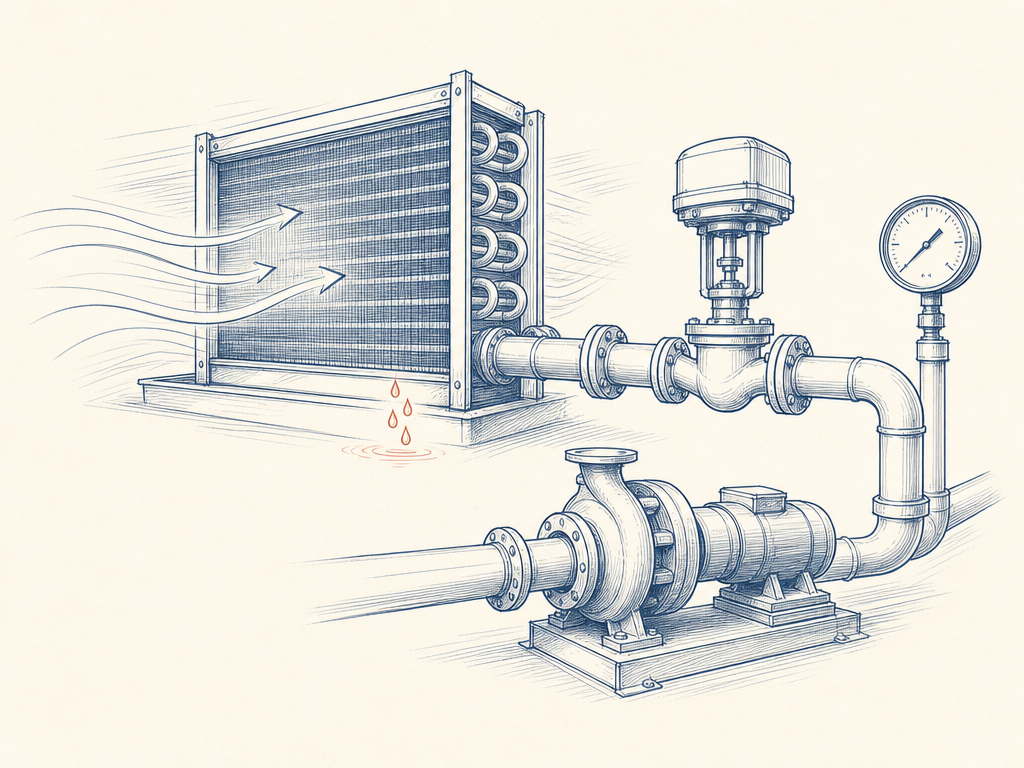
Chilled-Water Failure Casebook: Four Patterns, First Checks
Four verified chilled-water failures — hunting valves, backward flow limiters, bad setpoints, coil carryover — with worked numbers and the first check for each.
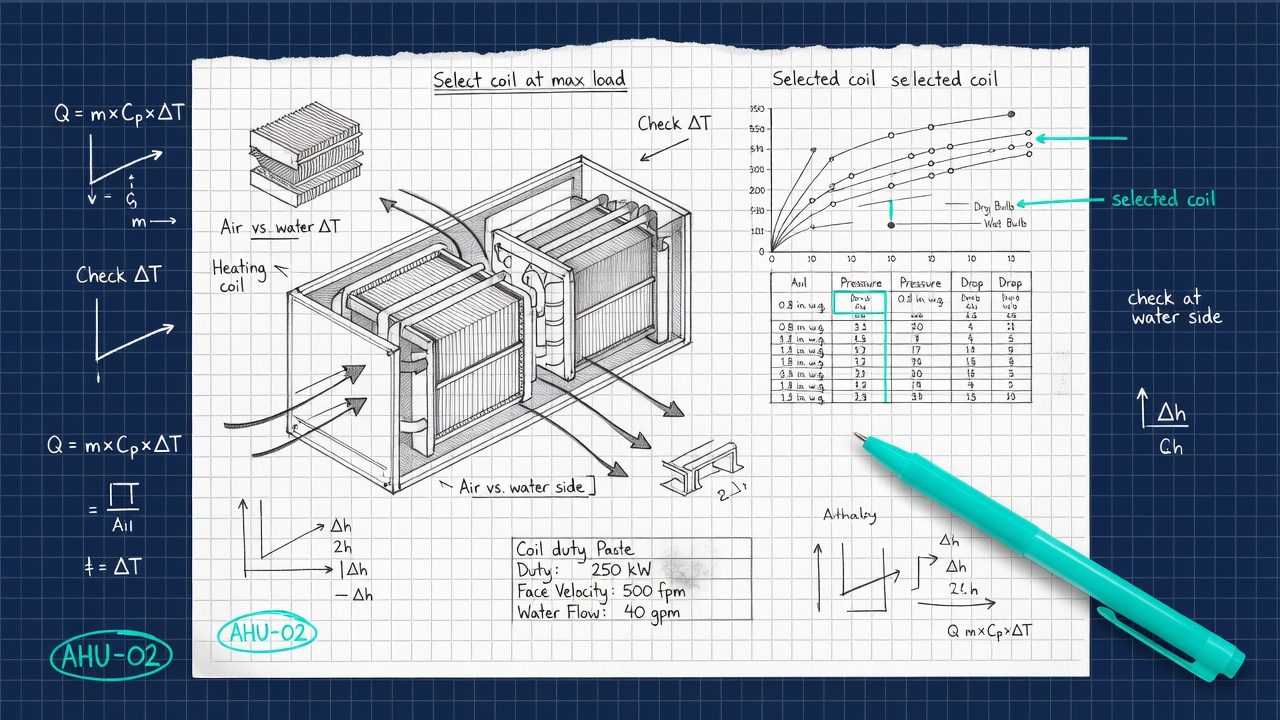
Air Handling Unit Coil Selection Guide
Selecting heating and cooling coils for air handling units: load calculation, coil configuration, fluid dynamics and materials for Australian climates.

Modern BMS Integration: From Traditional DDC to IoT-Enabled Building Controls
How BACnet and Modbus protocols underpin modern building automation — sensor network architecture, IoT migration strategies, protocol integration patterns, and the practical steps for upgrading legacy DDC systems.

Control Valve Selection and Hydronic Balancing for Commercial HVAC
Globe valves vs PICV, valve authority fundamentals, Cv sizing methodology, common commissioning mistakes, and hydronic balancing strategies for chilled water and heating hot water systems.
VAV Damper Selection for Commercial Buildings: Sizing, Types, and Specification Pitfalls
How to select the right damper for VAV terminal units — opposed-blade vs parallel-blade, sizing methods from ASHRAE applications, common specification mistakes, and BACnet/Modbus integration requirements.
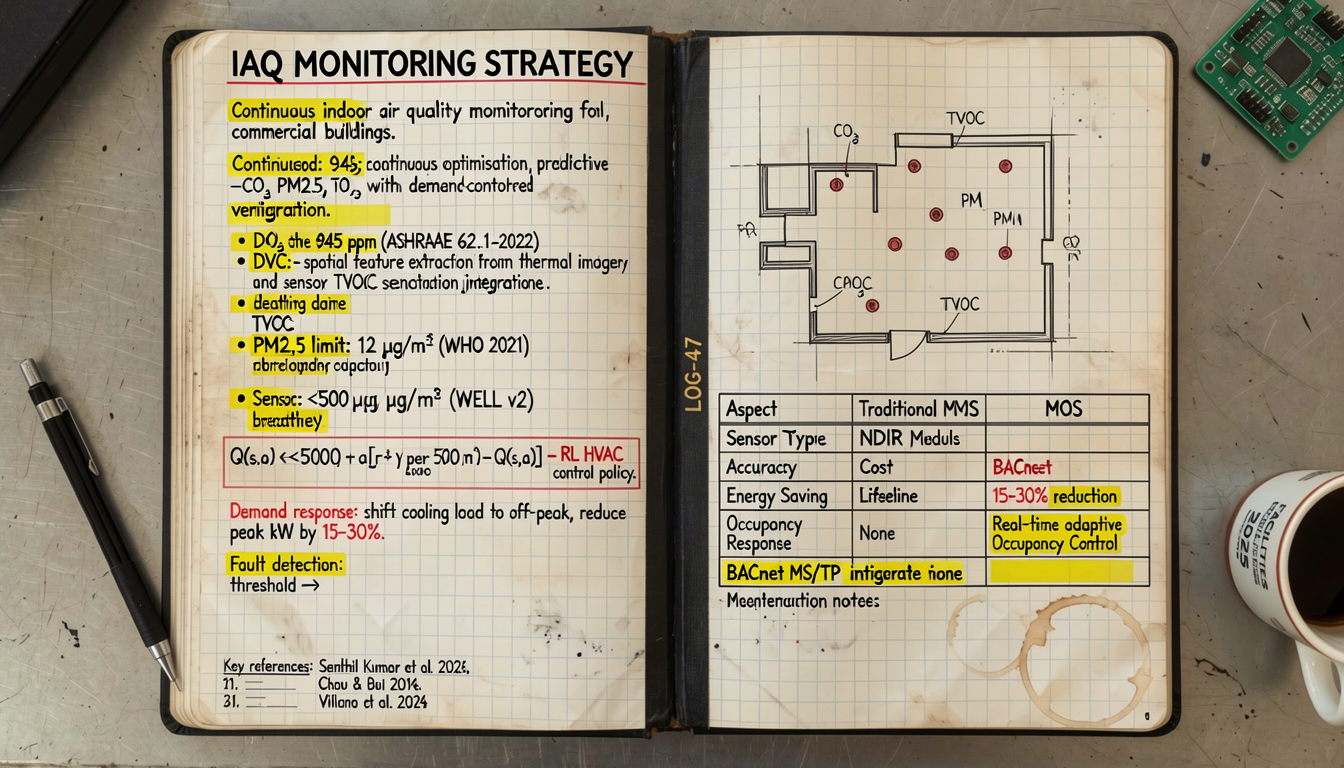
Continuous IAQ Monitoring Is Now Table Stakes for Commercial Buildings
Why IAQ monitoring moved from 'nice-to-have' to tenant expectation — and what specifiers must require in performance briefs for CO₂, PM2.5, and TVOC sensing with DCV integration.
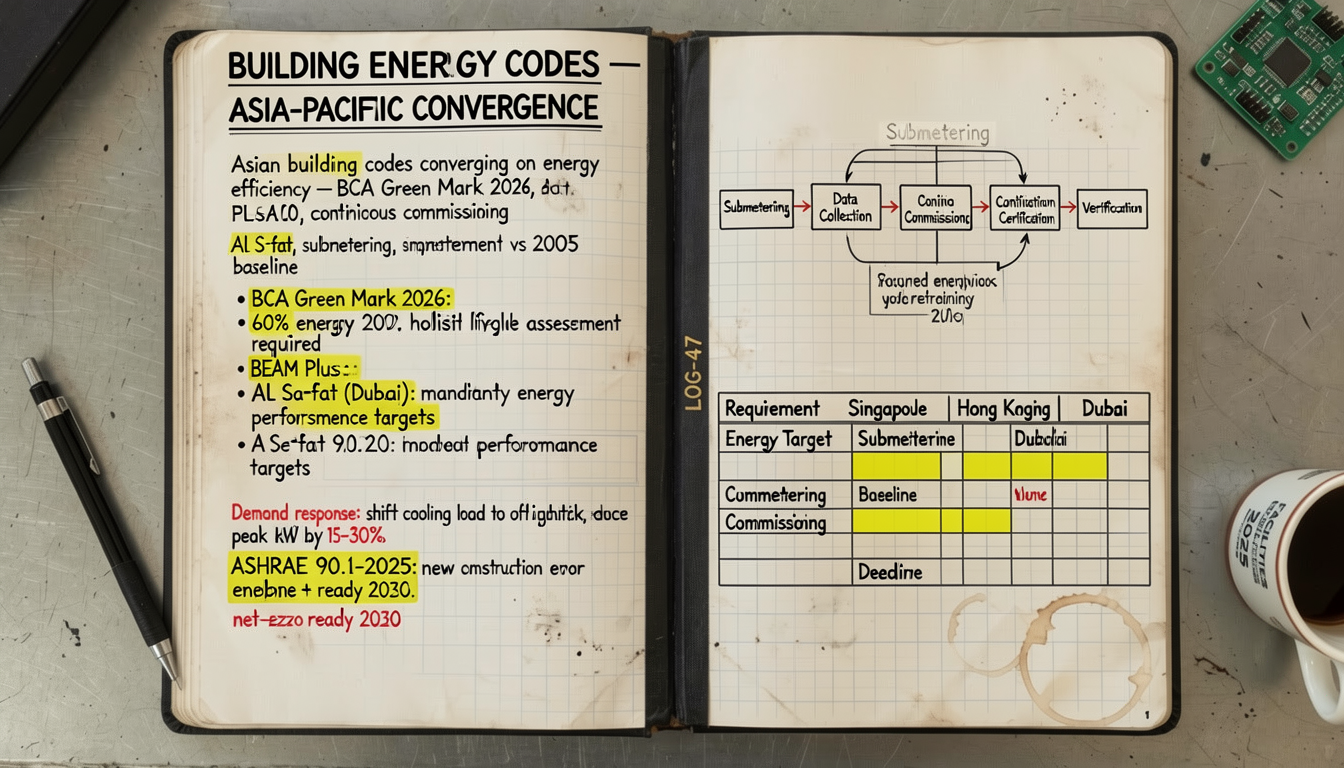
How Asian Building Codes Are Driving a Convergence in Energy Efficiency Specifications
Singapore's BCA Green Mark 2026, Hong Kong's BEAM Plus v2.0, and Dubai's Al Sa'fat now mandate submetering, continuous commissioning, and minimum 30% energy improvement — here is what it means for controls specifiers.
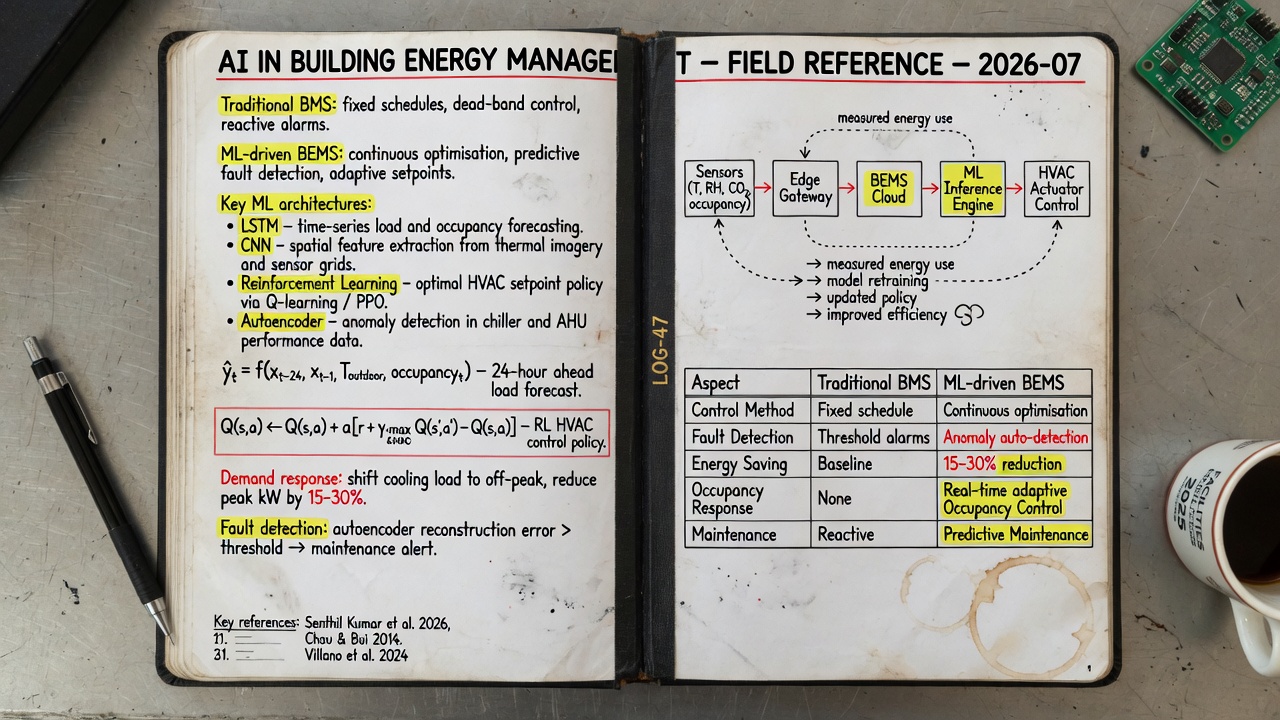
How AI Is Reshaping Building Energy Management
Machine learning and deep learning are transforming building energy systems — from predictive maintenance to occupancy-driven HVAC control.
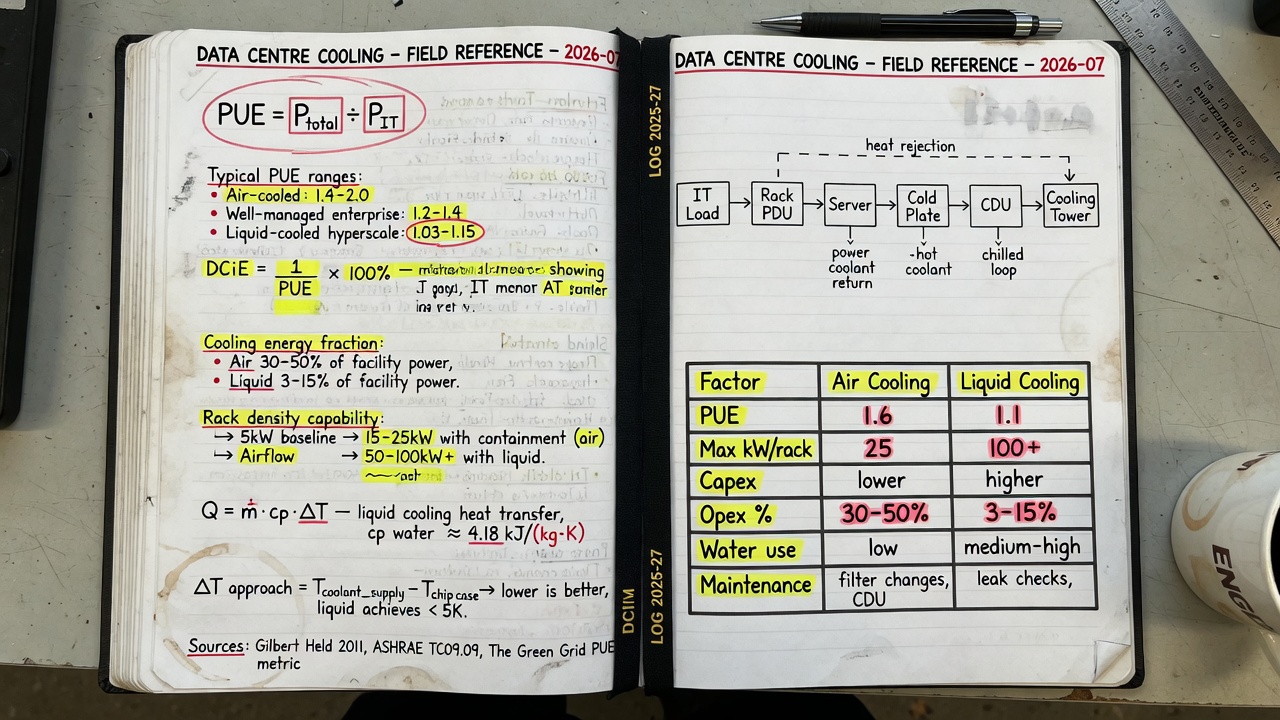
Data Center Energy Efficiency: From Rack Cooling to Liquid Cooling
A practical guide for facilities engineers on improving cooling efficiency — from PUE fundamentals and rack airflow optimization to liquid cooling adoption.

The Coolant Trade-Off That Transforms Data Centre Economics
Why data centres are switching from ethylene glycol to food-grade propylene glycol — and how this single choice drops cooling from ~40% of facility power to single digits.
Popular Questions
Frequently referenced topics from the Q&A knowledge base
How do I select the right damper actuator torque?
Damper actuator torque selection begins with calculating the required torque in N·m, which is a function of damper face area (m²) multiplied by the to...
What's the difference between parallel-blade and opposed-blade dampers?
Parallel-blade dampers have all blades rotating in the same direction, producing a non-linear flow characteristic best suited for two-position (open/c...
How do I size a control valve Cv for a chilled water coil?
Control valve Cv is calculated using the formula Cv = Q / √(ΔP), where Q is flow in GPM and ΔP is the pressure drop across the valve in PSI. For chill...
What is valve authority and why does it matter?
Valve authority (N) is defined as the ratio of pressure drop across the fully open valve to the pressure drop across the entire circuit at design flow...
What is damper authority and how is it calculated?
Damper authority is the ratio of pressure drop across the fully open damper to the total system pressure drop at design airflow, analogous to valve au...
When should I use a spring-return actuator vs a non-spring-return?
Spring-return actuators should be used in any safety-critical application where the damper or valve must fail to a known safe position upon power loss...